

In the last few years, AI has become one of the most powerful forces in reshaping the fashion industry, and one of the most renowned creations was the rise of virtual try-ons, a technology that blends artificial intelligence, augmented reality, and digital creativity to completely change the way we shop online and offline.
Online shopping had always been a big thing since the 2000s, but it came with a major problem: people couldn’t see how things actually looked on them. Would the shade suit their skin tone? Would the fit feel right? Would the product look the same in real life? Would the sizing match exactly?
 AI-powered try-ons and Augmented Reality (AR) became the solution.
Using your phone camera, AR showcases digital versions of clothing, accessories, or makeup directly onto your live image. With machine learning reading body movement, lighting, and angles, the result feels realistic and it is extremely convenient.
H&M x Snapchat: Making Try-Ons Feel Like Filters
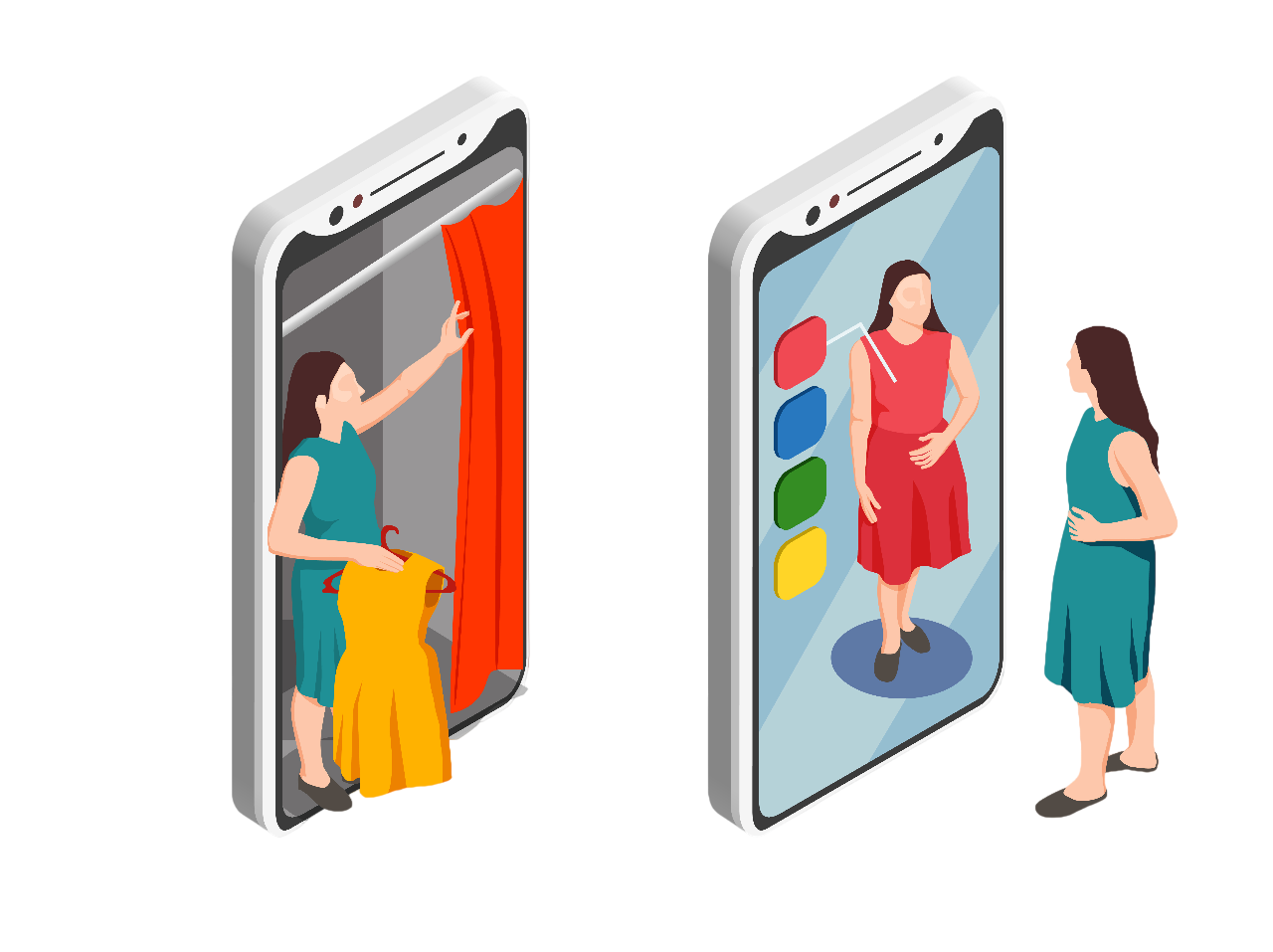 One of the most popular examples is H&M’s AR try-ons on Snapchat. Instead of scanning your body, users simply open a Lens, just like they would for any regular filter.
Suddenly, a jacket, dress, or shirt appears on them in real time, reacting to their movement. It’s playful, effortless, and familiar to anyone who’s used Snapchat before. This partnership didn’t feel like “technology”, it felt like fun to users. Since numerous people around the world already use AR filters daily, the try-ons blend naturally into everyday behaviour.
Sephora: The Beauty Industry’s AR Revolution
On the beauty side, Sephora’s Virtual Artist changed the way makeup was used. With one quick camera scan, users can test lipstick shades, eyeshadows, and entire makeup looks. AI studies facial features, such as lip curves, eye shape, and skin tone, to apply products with accuracy.
Instead of wiping off multiple swatches at the store, shoppers can try a number of shades in seconds. Sephora was one of the first major brands to use AI this way, and it set the standard for virtual beauty testing around the world.
The Future of Fashion
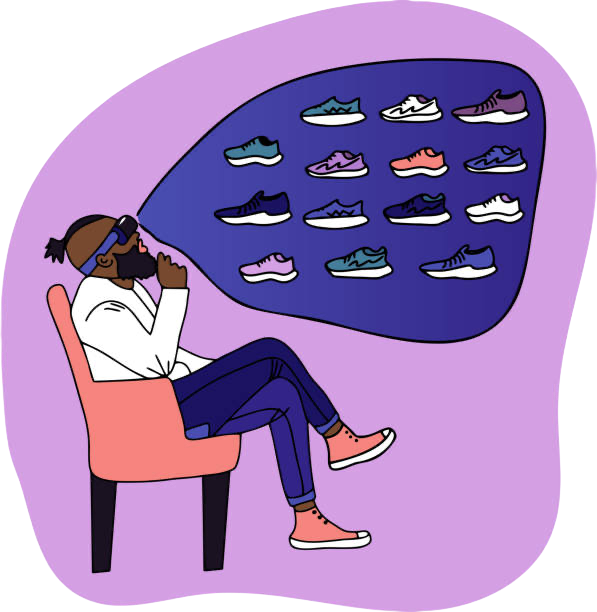
AI isn’t replacing the fashion industry but it’s expanding it. Virtual try-ons are just the beginning, but they’ve already changed how millions shop, explore trends, and express themselves. By making fashion more inclusive, reducing waste from low return rates, and blending physical and digital retail into something seamless, users are forced to think of shopping as an experience, rather than a mere transaction.
The dressing room has officially moved into your pocket, and it’s not going back.


