

Most of us have gotten used to saying, “our data is saved in the cloud” without thinking about it. But what if the ‘cloud’ wasn’t a warehouse full of servers in Singapore or California, but rather a satellite orbiting the earth?
Sounds like something straight out of a Steven Spielberg movie, Am I right? But no, this time it’s Google. Recently, Google announced one of the wildest tech initiatives we’ve seen in years: solar-powered datacenters in space, expected to start operating as early as 2027. So next time you think of uploading a selfie, just remember there might be a small possibility it may reach alien real estate. Now, Let’s break down exactly what this means.
So, wait, what exactly is a datacenter?
It’s a substitute for a giant warehouse which has computers instead of humans.
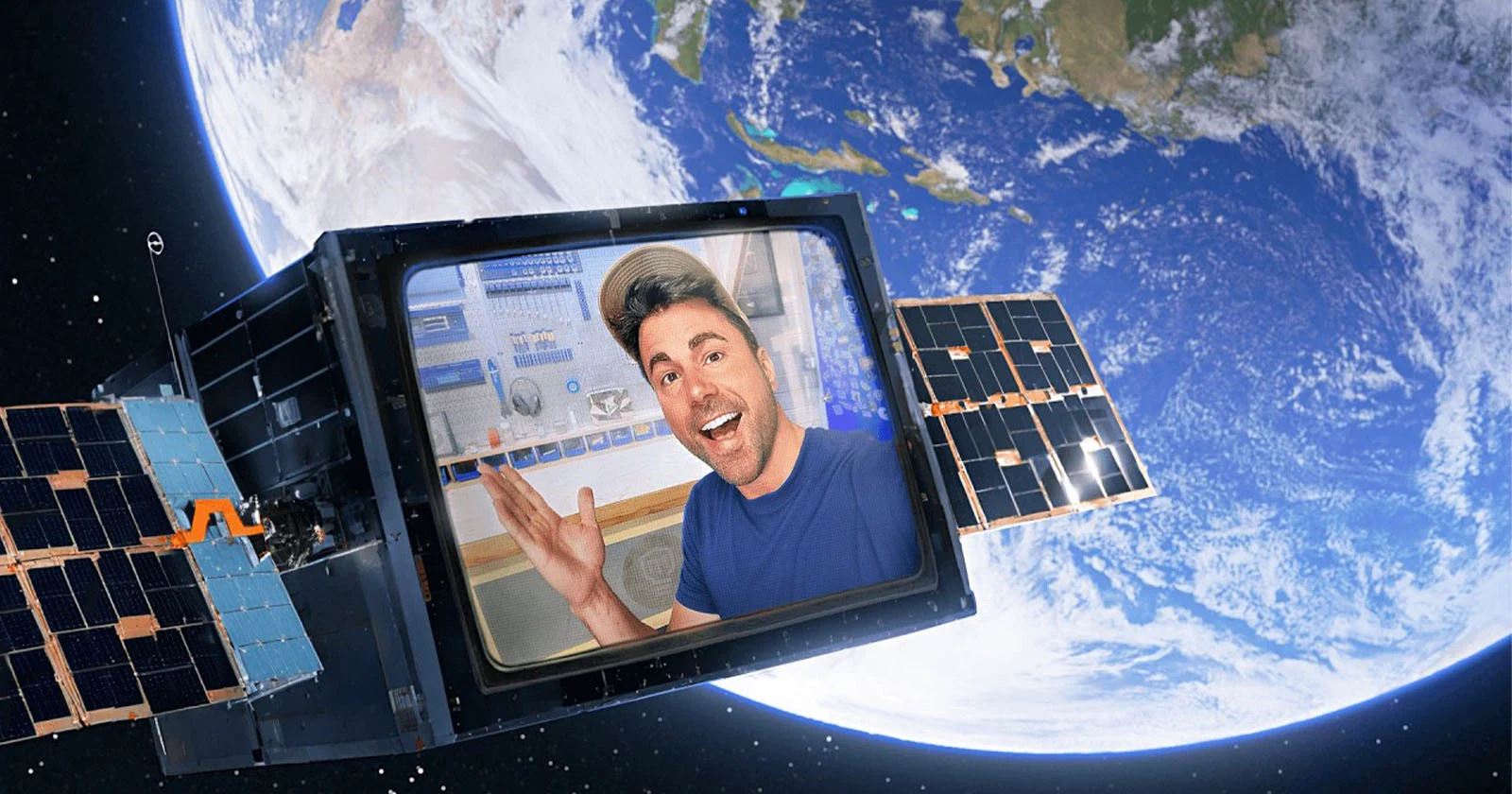 It basically stores your photos, videos, assignments, Spotify Playlists, and all your embarrassing selfies (beware!). They also run the AI tools you use and ensure that the internet is alive and working. The idea originates from a simple but pressing problem: traditional data centers consume an extraordinary amount of energy, to not only run enormous fleets of processors but to also cool them continuously. The growth of artificial intelligence has only intensified these enormous demands.
Why space?
Surprisingly, it makes perfect sense. Space offers a naturally favorable environment. Solar power is abundant and continuous and keeps coming every day of the year. Low ambient temperatures also provide an efficient passive cooling climate without the need for heavy electricity usage that’s normal on Earth. These combinations could drastically reduce the energy consumption and operate costs of large-scale computing. Along with that, global coverage is another perk. No matter where you live, whether it’s Punggol, Alaska, or even a random planet, the datacenter above you can serve everyone equally. This way, access becomes fair instead of being location-based.
In short, Google wants space because it solves every problem except the one where rockets implode sometimes.
So, what exactly changes for normal people like us who only want fast Wi-fi?
Well, the truth is life with a space-powered internet could definitely look tremendously different. We’d get streaming with no buffering, the ability to download huge files instantly, lag-free gaming, and faster AI everywhere- phone, laptops, cars and schools.
And the best part? (drumroll please)
Internet speed could become equal worldwide. Right now, the internet is purely based on location and money. If orbit becomes the hosting space, these limits begin to disappear. In other words, the internet becomes democratic, which actually sounds like one of the most important tech shifts of this generation.
Of course, us humans always find ways to complicate things. Therefore, nothing in technology comes without a list of problems that nobody is ready to solve. So, here’s the list this time:
- Who exactly owns your data if it’s not on Earth?
- Which country gets to regulate orbiting internet? (A perfect inspiration for World War 3)
- What happens if satellites collide?
- What if powerful companies eventually control space the way they control land? (Expect nothing less)
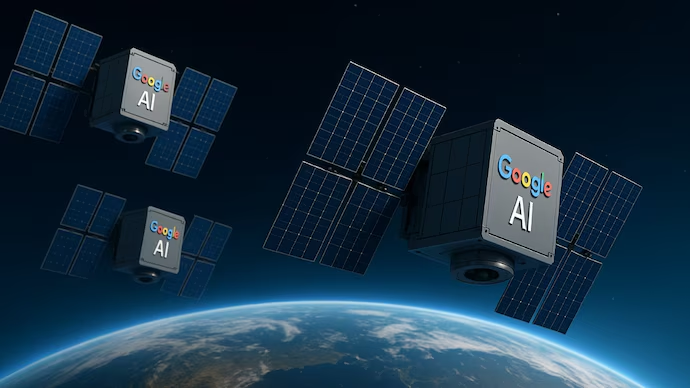 The image of personal data floating around in space may sound futuristic but it’s also logical, considering the fact that it reflects the next step in the future of digital systems. As our dependency on computer systems and artificial intelligence increases, the world’s digital backbone has to grow outgrow the physical and environmental limitations that our world provides. If Google does in fact succeed, the cloud will no longer be that metaphor that was once explained to students – it becomes a reality. It will literally be a presence above us, circling the planet, quietly powering every action that people do digitally.
We cannot expect the transition to be immediate nor smooth, and this moment marks the beginning of a shift that could fundamentally change the way humans build and share information and data. The internet will no longer be a network across the world, it will be a network around it.
Also, like imagine going from ‘My dog ate my homework’ to ‘It didn’t submit because the server is in space’ (you’re very welcome for the excuse)


